
By Lisandro Aloi
I feel a contradiction writing this in the middle of the “artificial revolution”, a term that had never occurred to me... although surely someone has already used it in this overproduction of everything. Even so, or precisely because of that, I want to write about and rethink a subject I have turned over so many times. I use these tools every day.
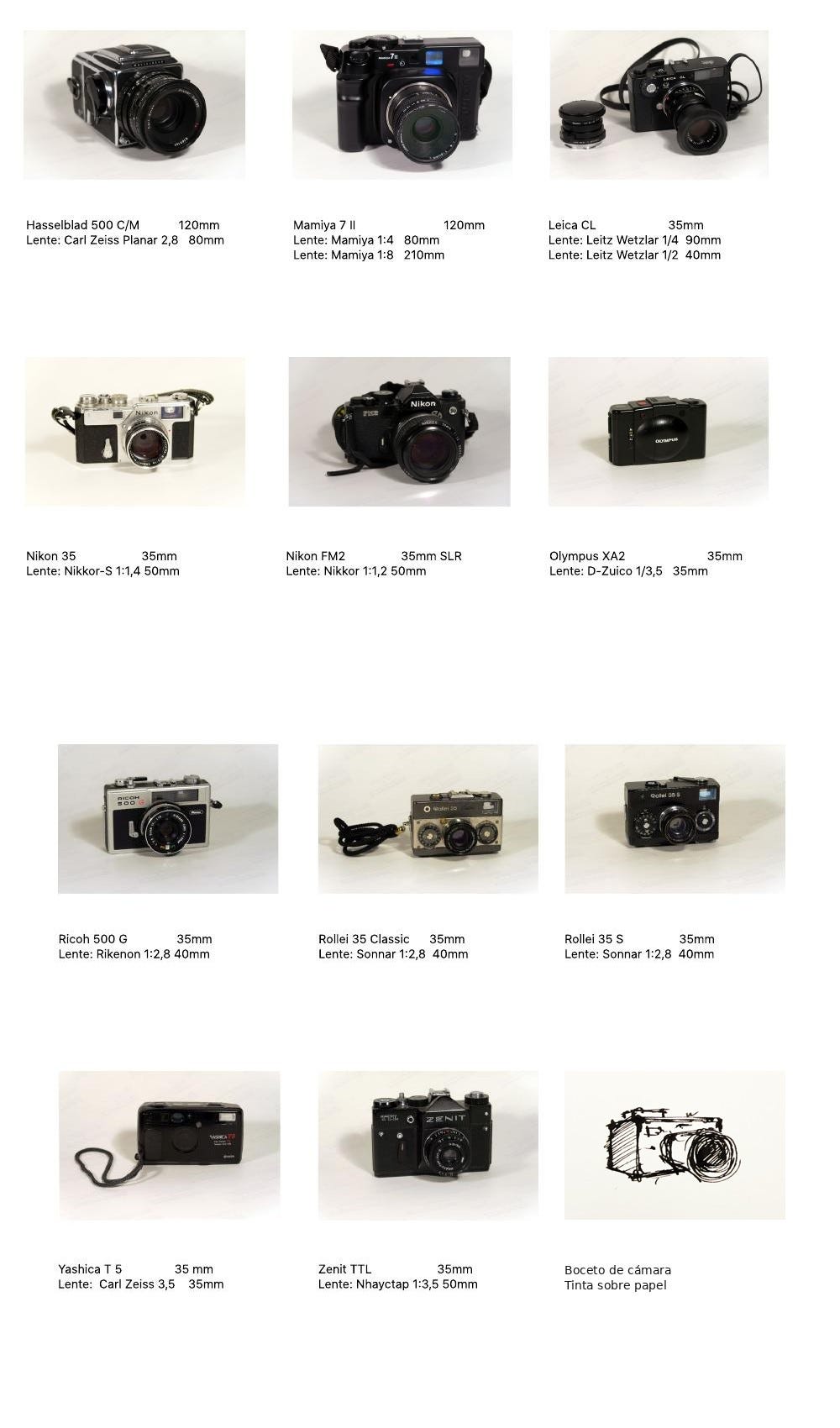
About the roll of film with 36 strategic, precious exposures that I used for so many years in so many different cameras (I collect them; I have more than 100), replaced by memory cards that hold thousands of digital photos; or the resources I spent on prints, the hours I spent repeating scales, exercises and run-throughs a thousand times before walking into a recording studio. Not from nostalgia, or not only, but this time with an optimistic suspicion: I believe we are correcting course.
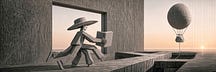
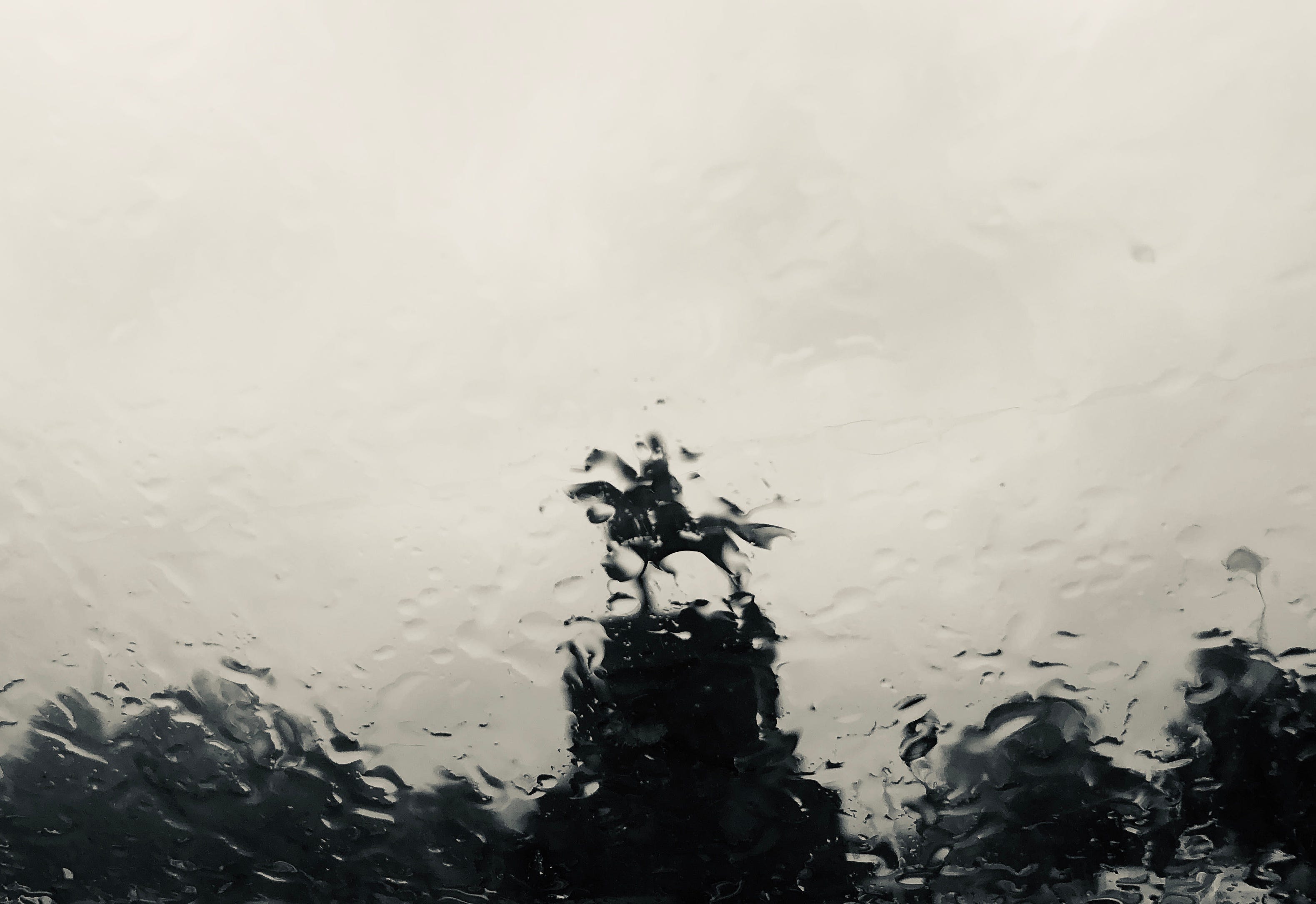
This is my third piece in Pathos. It is more personal, and it moves through photography, drawing, painting, music and architecture, because in all of them I saw the same thing happen: a path toward the massive, toward repetition, toward overproduction, with an enormous amount of noise. And I see a return, little by little, toward craft.
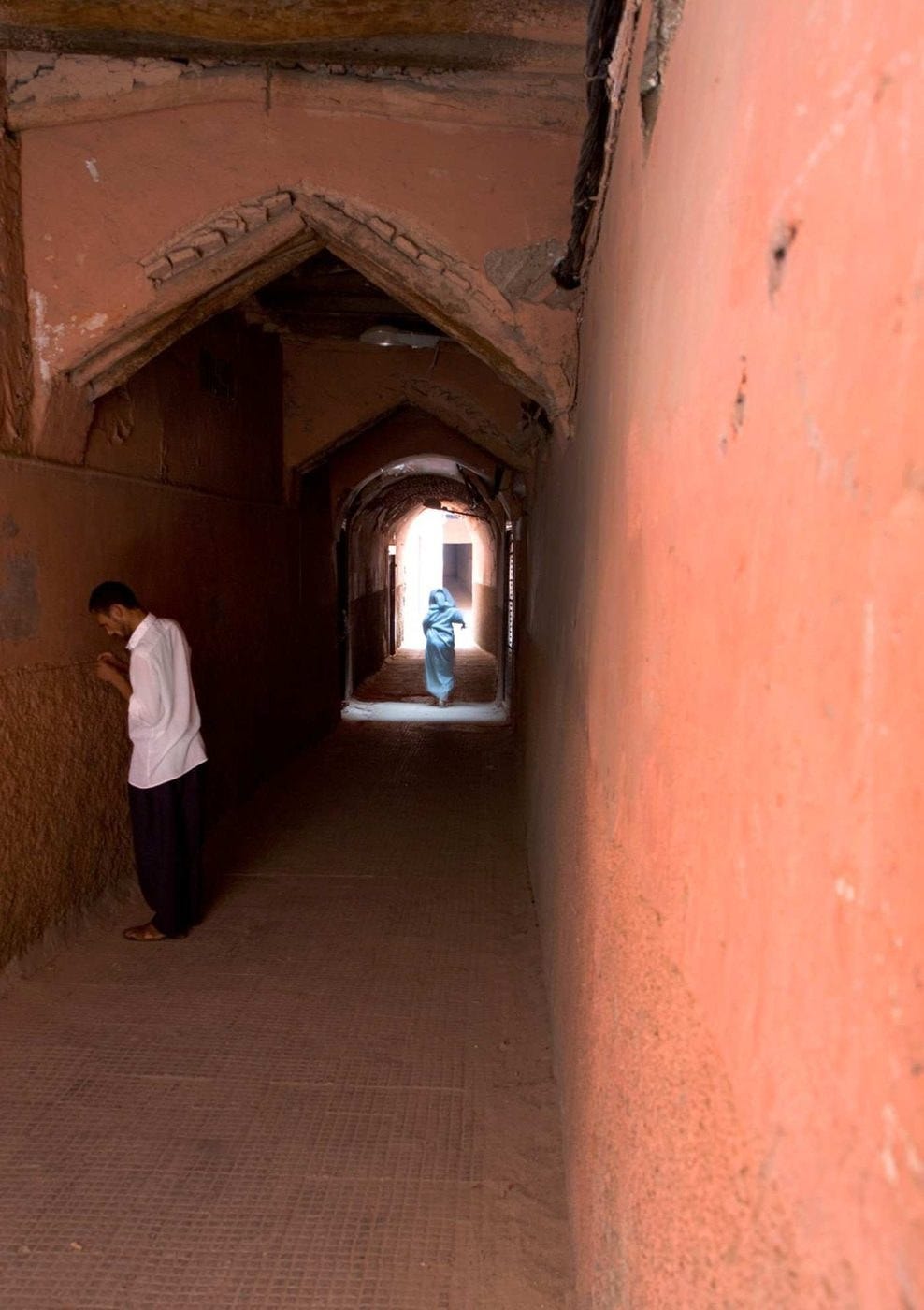
Thirty-six exposures
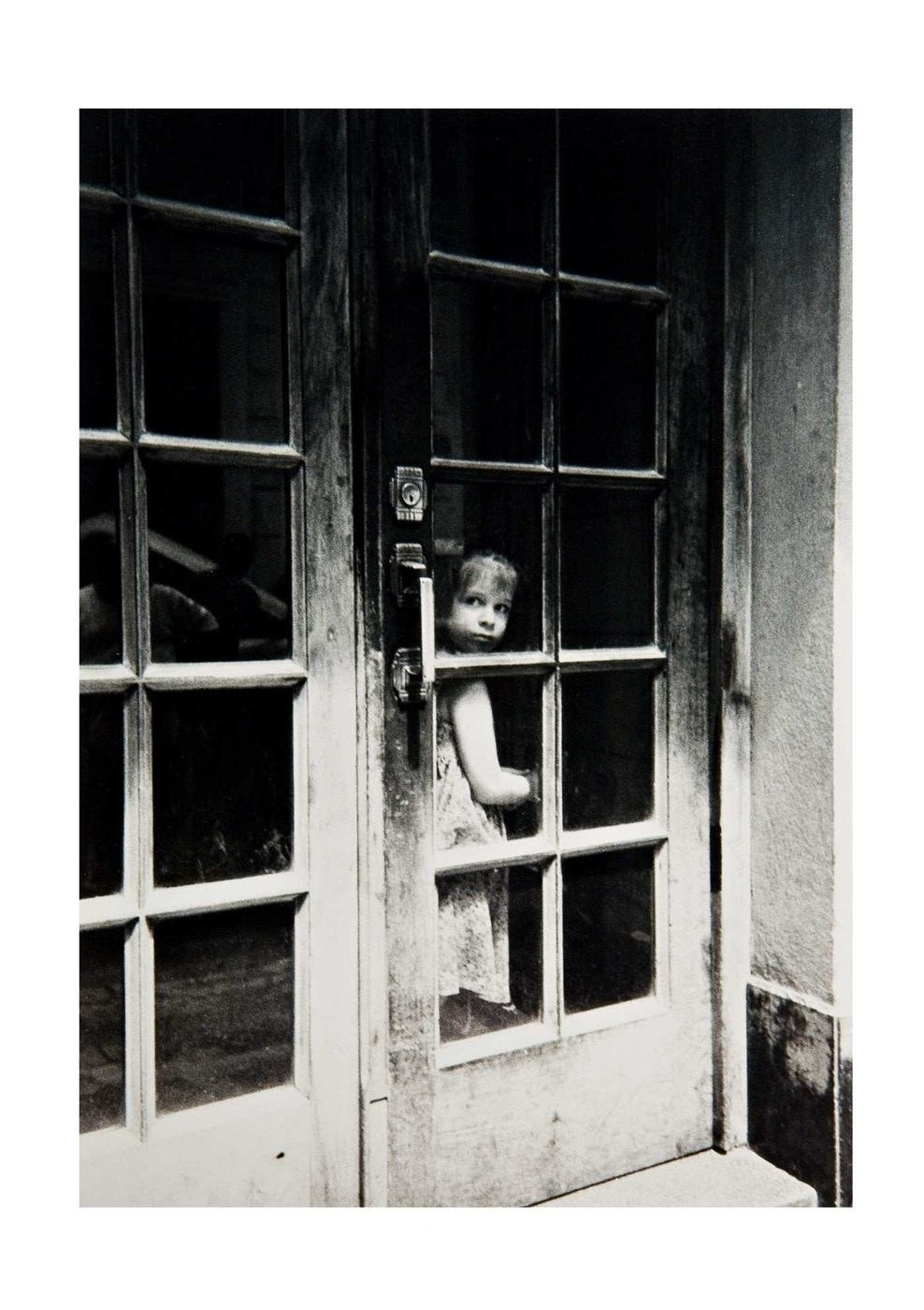
I started taking pictures as a very young kid, and in 1997, the same year I started architecture school, I enrolled at the Escuela Argentina de Fotografía in Buenos Aires. There I began to study the great masters and, of course, to copy them again and again.
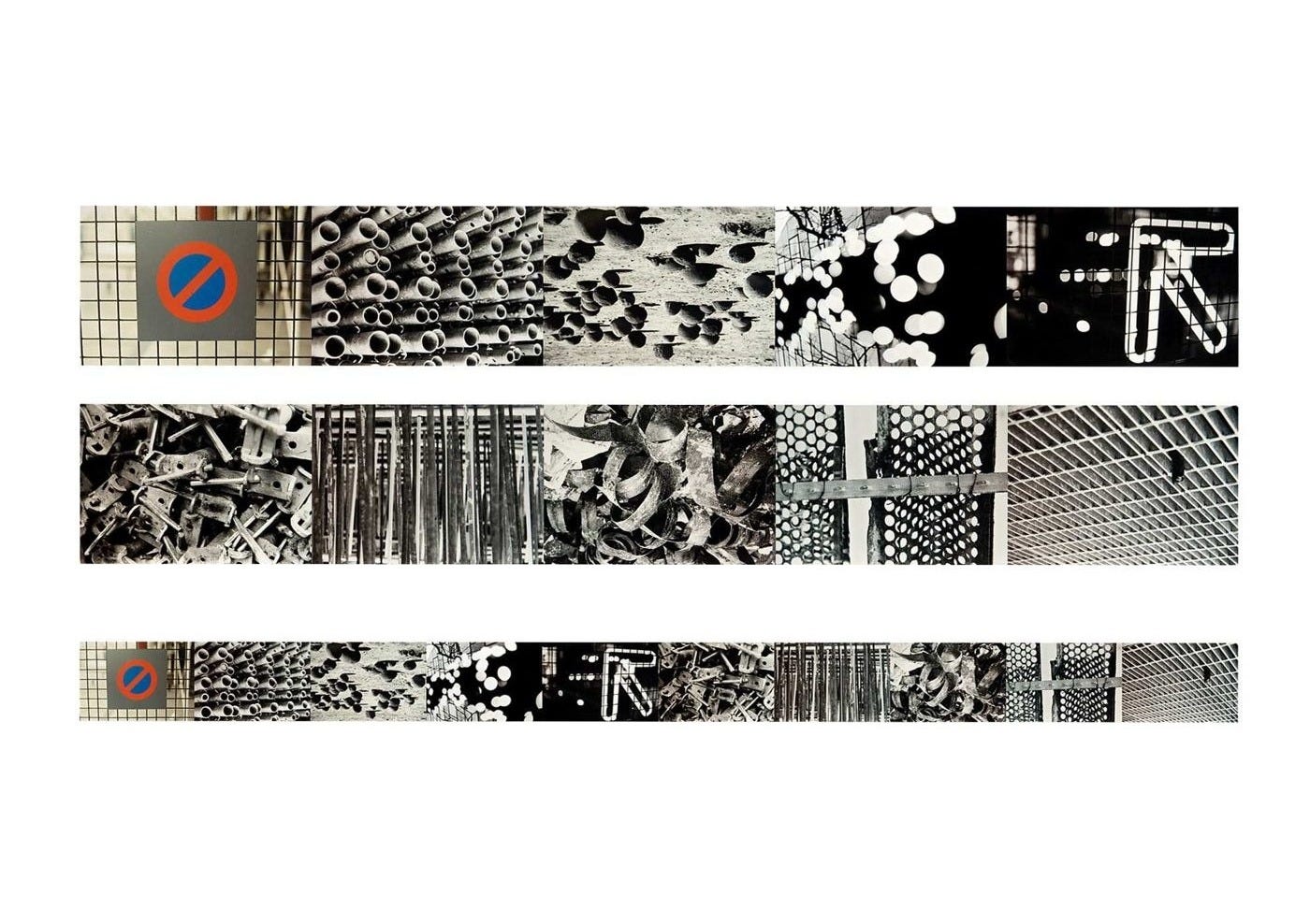
I was looking for Henri Cartier-Bresson’s precise instant, the one that ended up naming his 1952 book, Images à la sauvette, published in English as The Decisive Moment: the scene that arranges itself for a fraction of a second, and you have to be there to catch it. I was looking for the courage of Robert Capa, who did not wait for the moment but got right inside it, and to whom we attribute the line every photography student repeats: if your pictures aren’t good enough, you’re not close enough. The humor of Elliott Erwitt, who found a joke in a dog, a puddle or a sign. The daring of Robert Mapplethorpe, who showed what was not shown, with an almost classical composition. And the fine, repeated, almost obsessive sequences of Bernd and Hilla Becher: water towers, furnaces, winding towers, photographed head-on, under the same gray sky, and arranged in grids as if they were species in a single industrial herbarium. To name a few... I could write about photography for hours.
Note: “I could write about photography for hours” mixes time with writing, as if the text were a conversation.
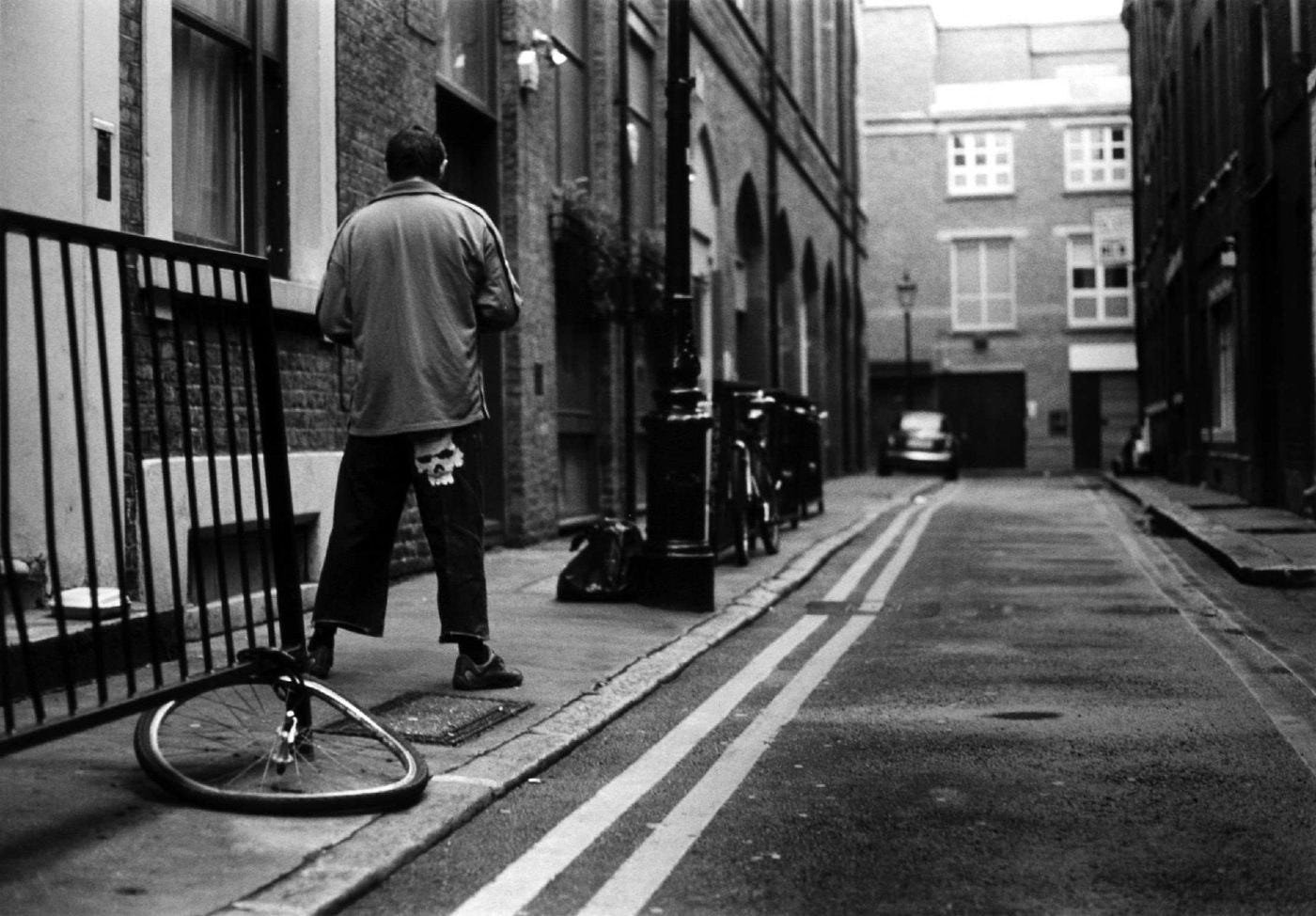
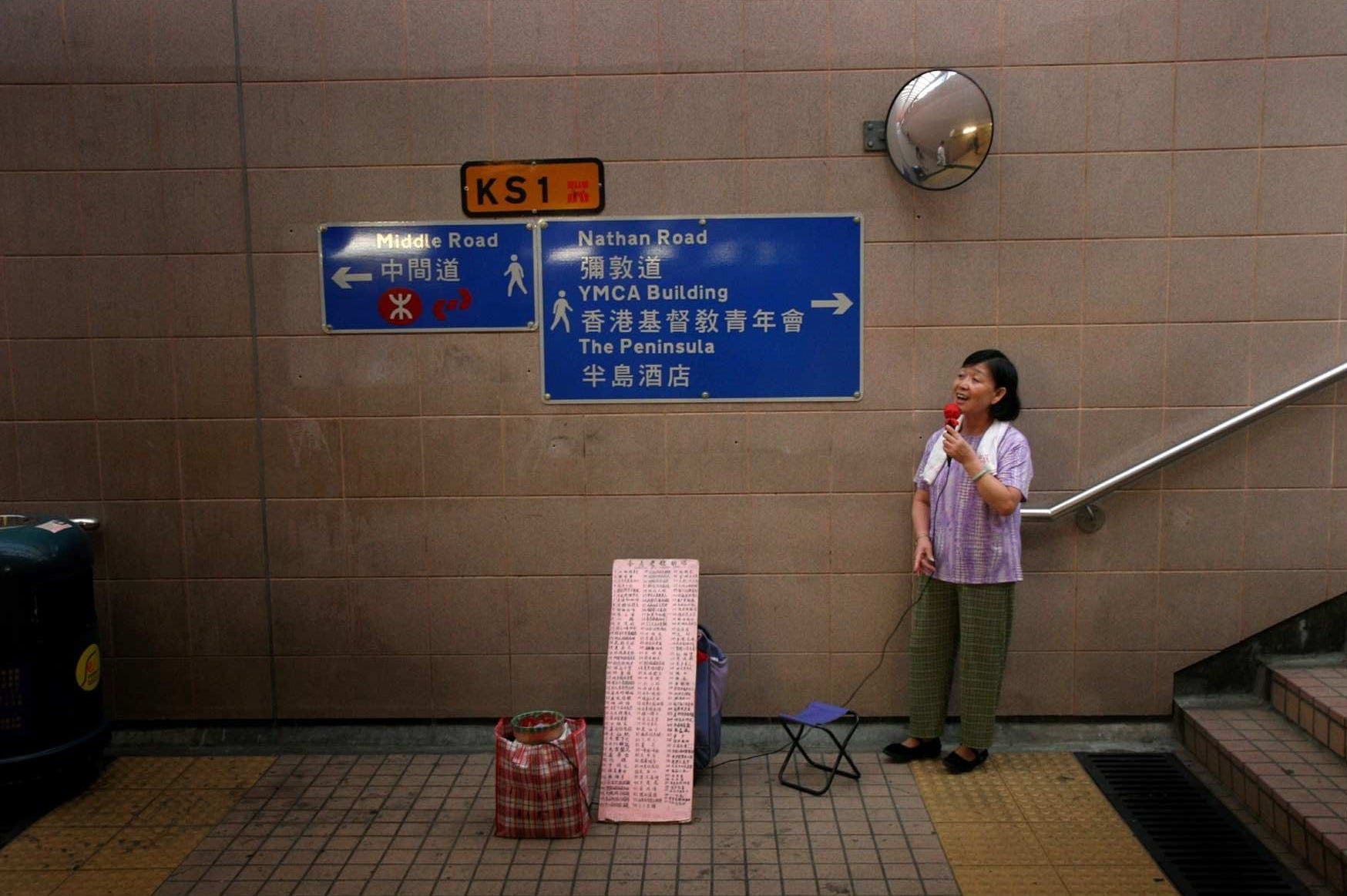
All of that required a roll of film. And a roll had 24 or 36 exposures. Once the scene was chosen, you reflected, you thought, you searched, you reframed. Of course there were captures of a moment we caught right there, à la sauvette, on the fly; but even for that you had to be ready: the camera loaded, the light metered (which, like everyone who spent so long with a camera in hand, I can now meter by eye, without a light meter), the focus distance worked out before raising the viewfinder in case the shot had to be rushed, and always, first and underneath it all, something being conveyed in that scene or some character who had caught my attention. And then came the expensive part. Developing, making contact sheets, studying them with a loupe, marking them somehow or listing the selected frames, choosing, printing, enlarging. Every step cost money and time. We took our time before taking a picture, not only because of the search, but because not doing so was very expensive.
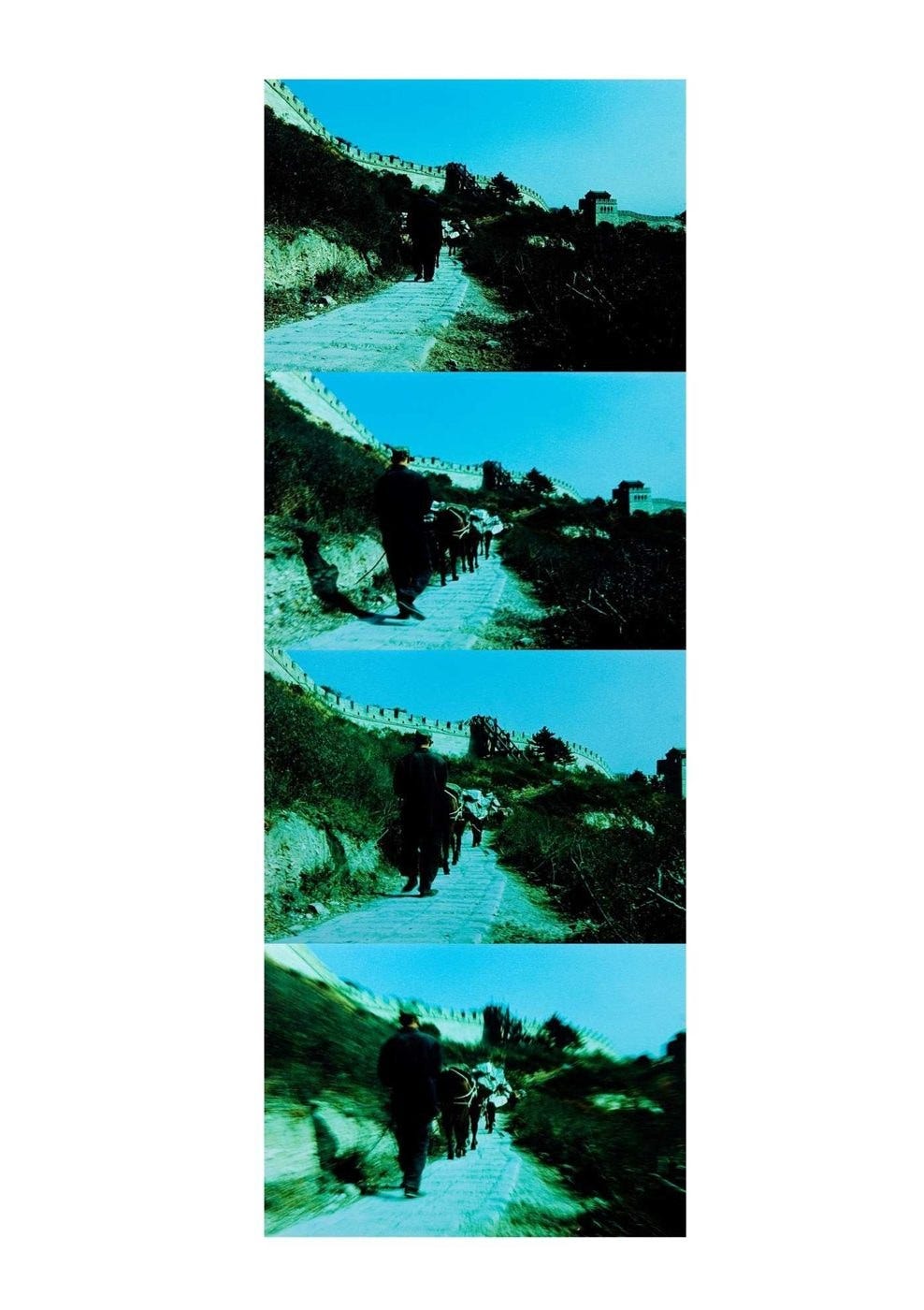
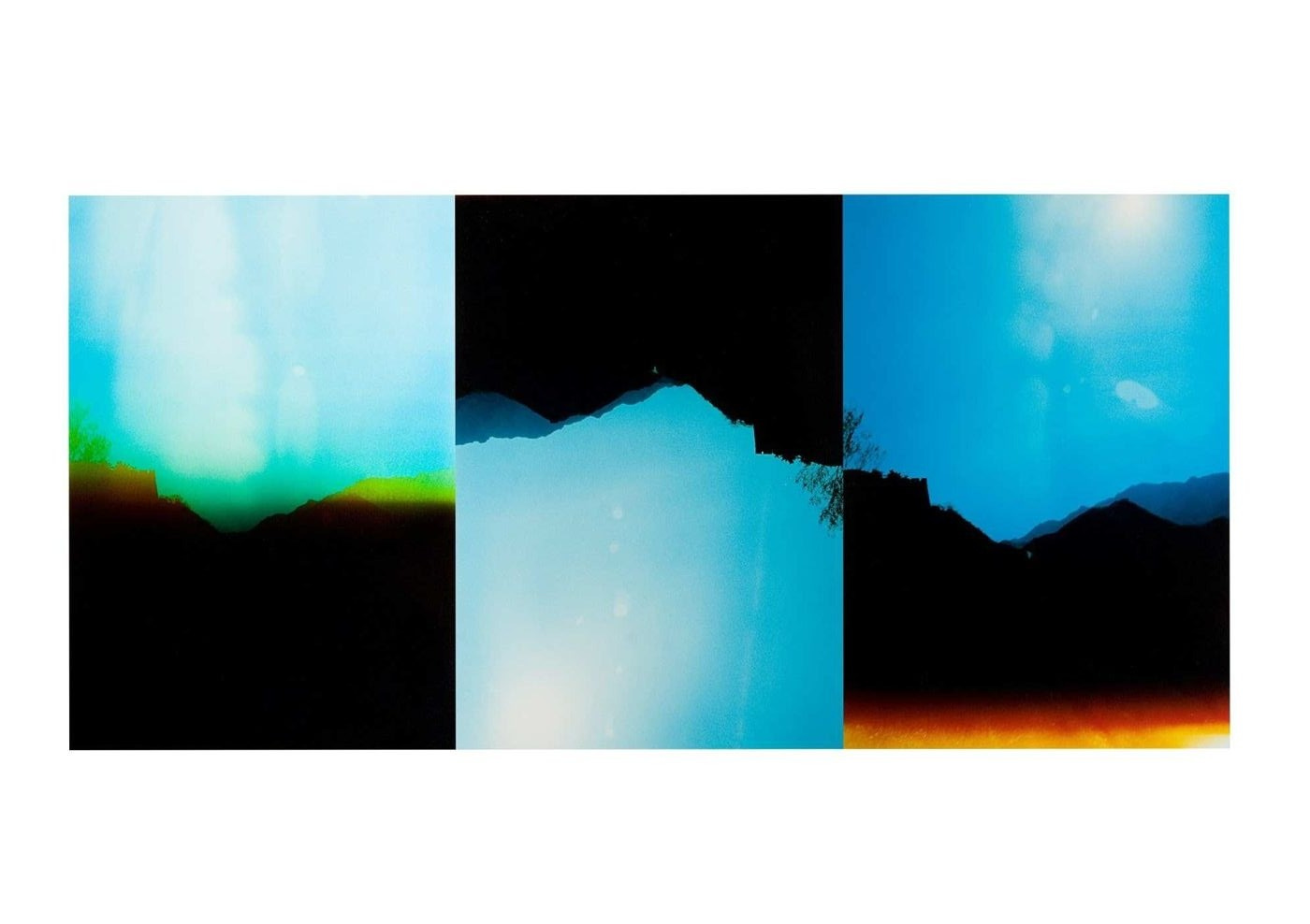
For years, I also did cross processing: developing slide film in negative chemicals, chasing the color shift and the grain without touching a single digital filter. It was a controlled error, or not: when it failed, the roll was lost. That risk was part of the method and it forced me to decide; for me, at least, following the conventional printing processes was impossible.
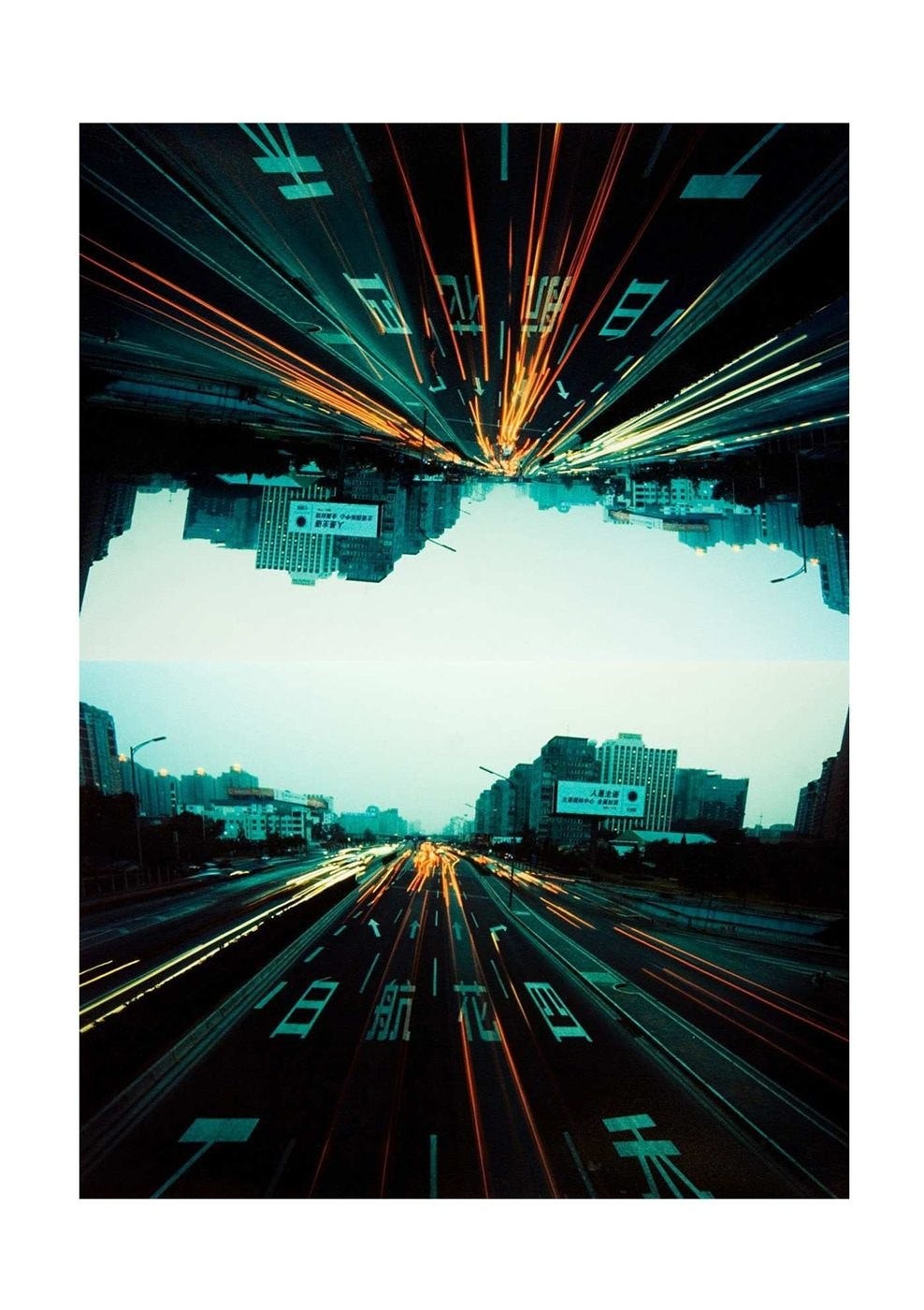
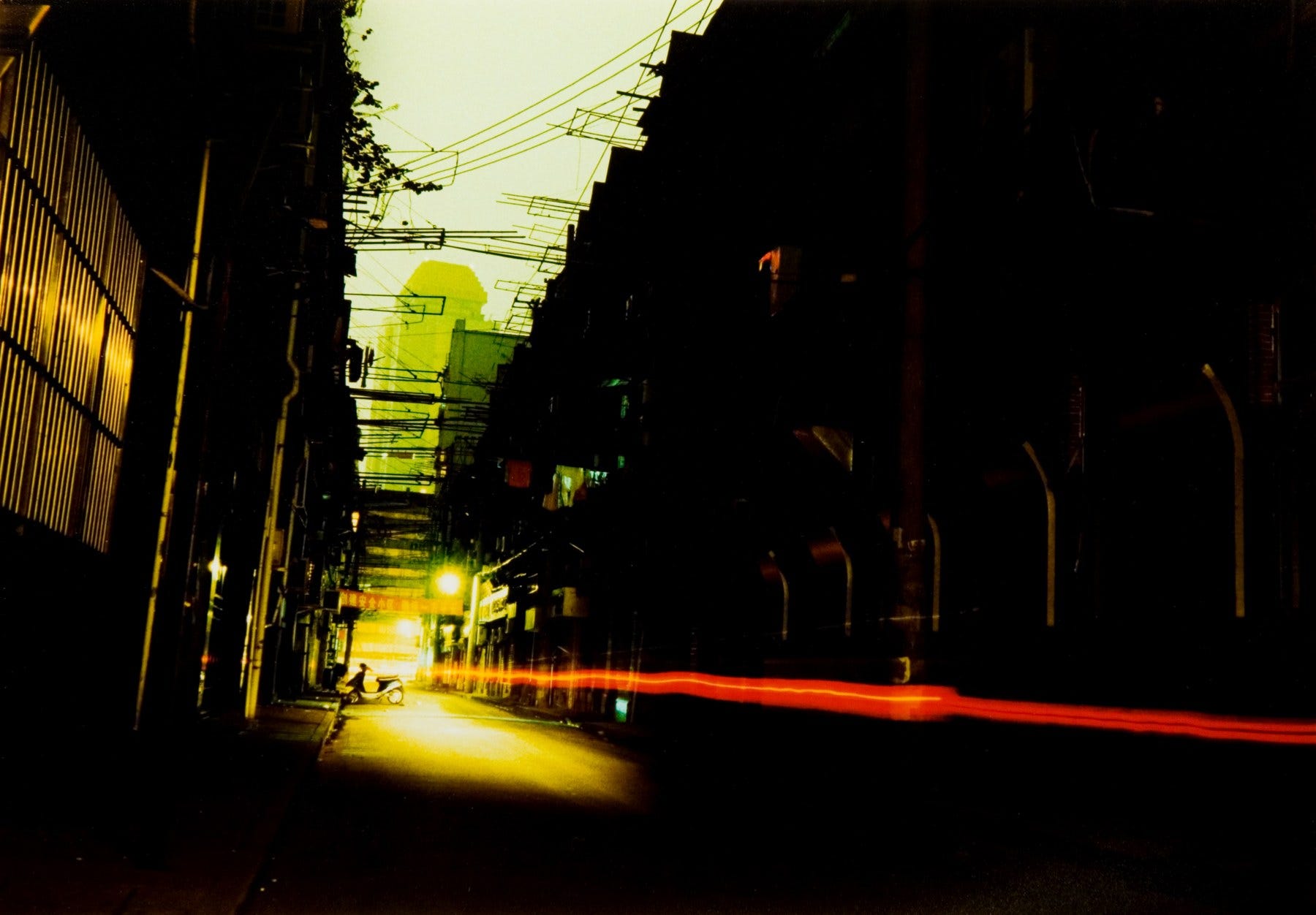
Today everyone has a camera in their pocket, and there is something good in that... and a lot that is bad: photos are no longer chosen; they pile up.
The trained hand
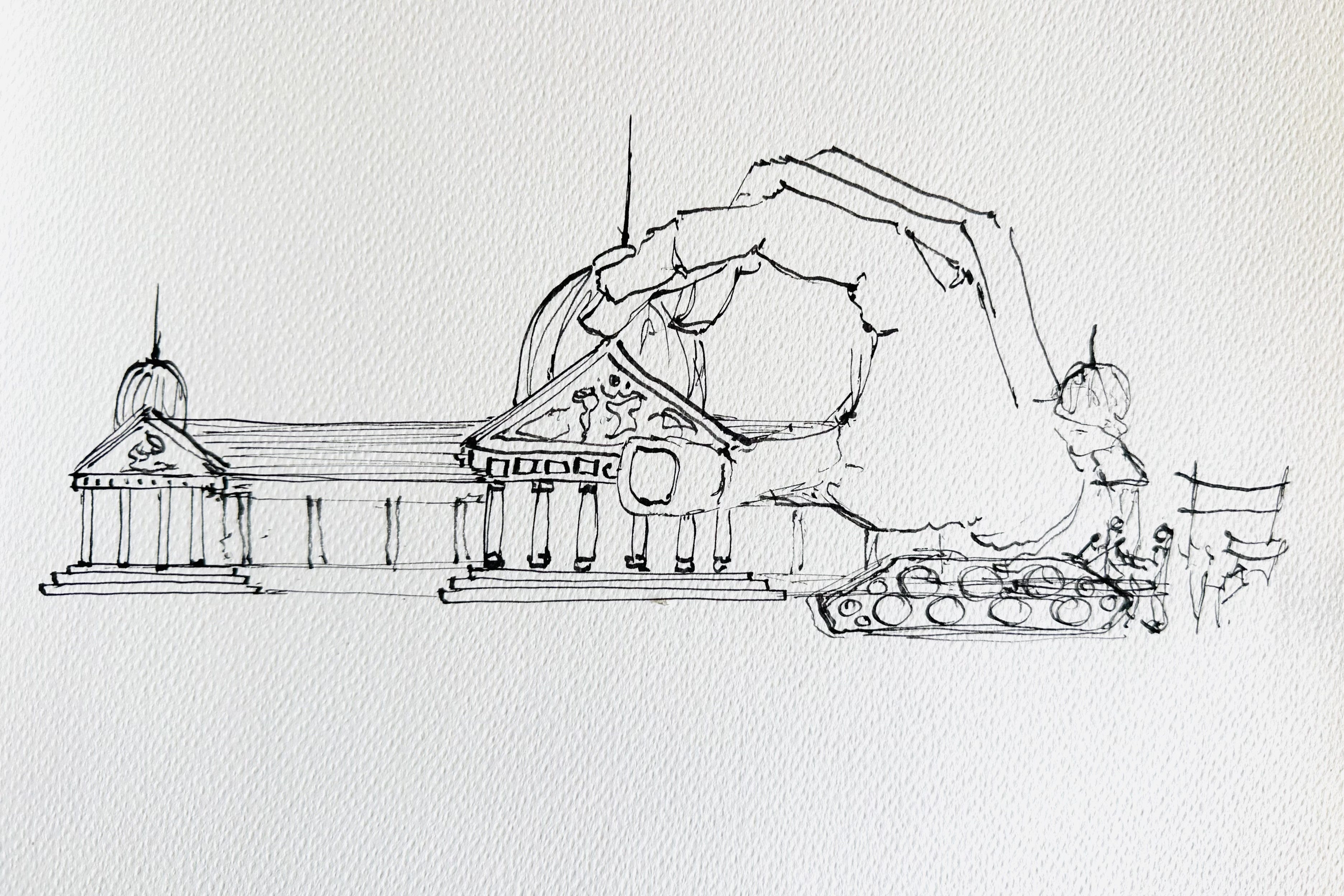
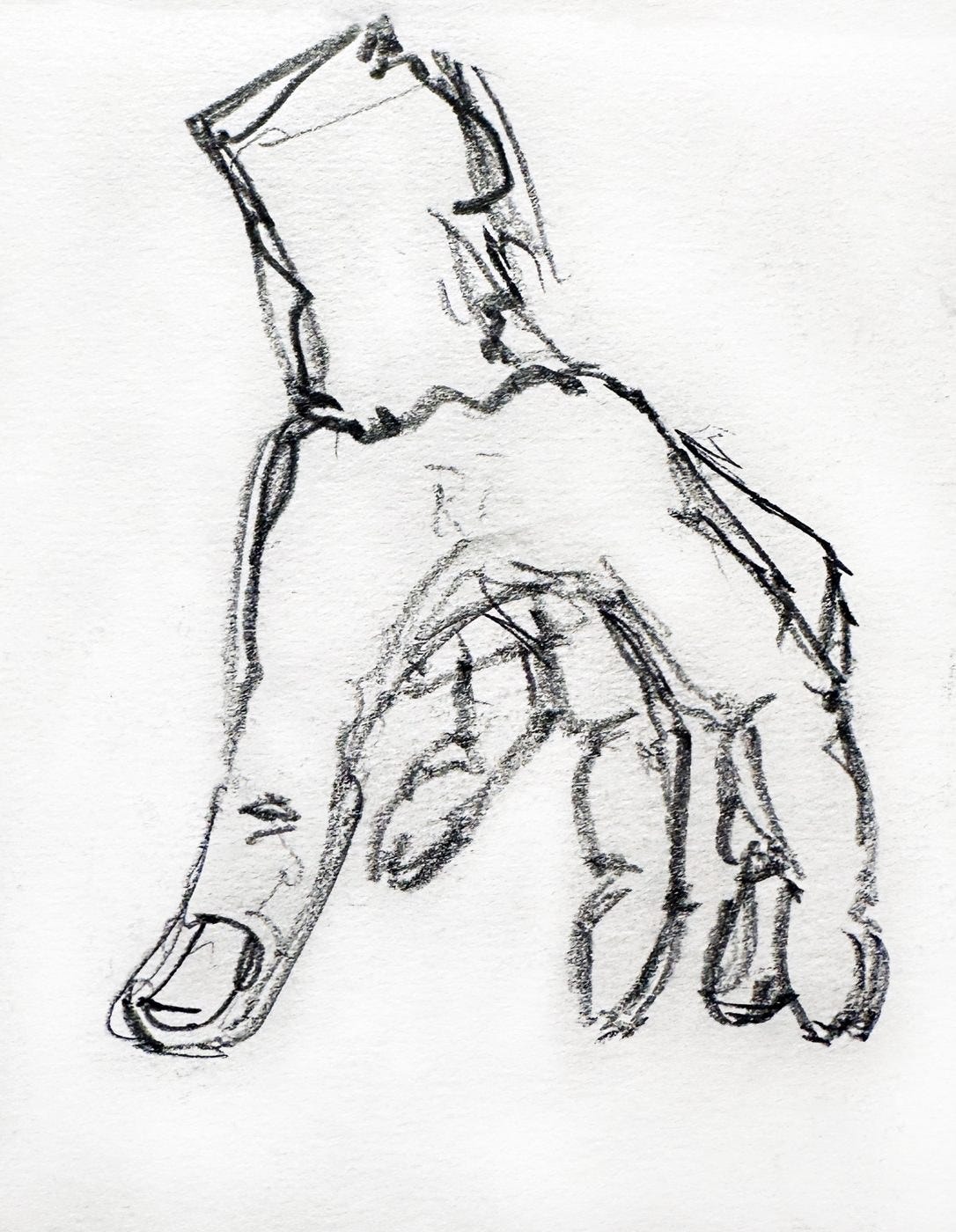
In architecture the same thing happened to me, but with the line. From the start of my degree I was desperate to train my hand, drawing everything I saw, representing spaces... training myself in every kind of representation, axonometrics, vanishing points, sketches, sketches and more sketches... or hunting down unpublished drawings by the masters, sketches, “napkin” drafts, to see the architects’ voice in their line. The drawings of Wladimiro Acosta, born in Odessa in 1900, who arrived in Buenos Aires in the late 1920s and pioneered what we would now call bioclimatic architecture with his Helios system, show works that exist only there, on paper and in his drawings (and, of course, in reproductions of them). Projects that were never built and yet exist, because someone drew them with a conviction you can still read.
I have to admit something not very likeable: as a student (and secretly, now too...) I found it hard to respect teachers who did not draw well. Of course, there are professionals whose track record speaks for itself, and even if they do not draw they make substantial contributions to the creative process... but... I was always seduced by the trained hand, a kind of “los pingos se ven en la cancha”.
“Los pingos se ven en la cancha” is a romantic saying from the Argentine countryside: a good horse proves itself on the field, not in talk.
Over the years, in my own search, I learned not only to draw but to communicate, and I understood that the latter, communicating, was often more important than the drawing. In fact, there are excellent draftsmen who use all that craft and know-how repetitively, and their sheets or drawings do not say much. You look at Le Corbusier’s drawings... and they are very disorganized, rough sketches, but brilliant... with a lot of substance. There are hands trained to communicate that, with just a couple of lines, represent very deep ideas.
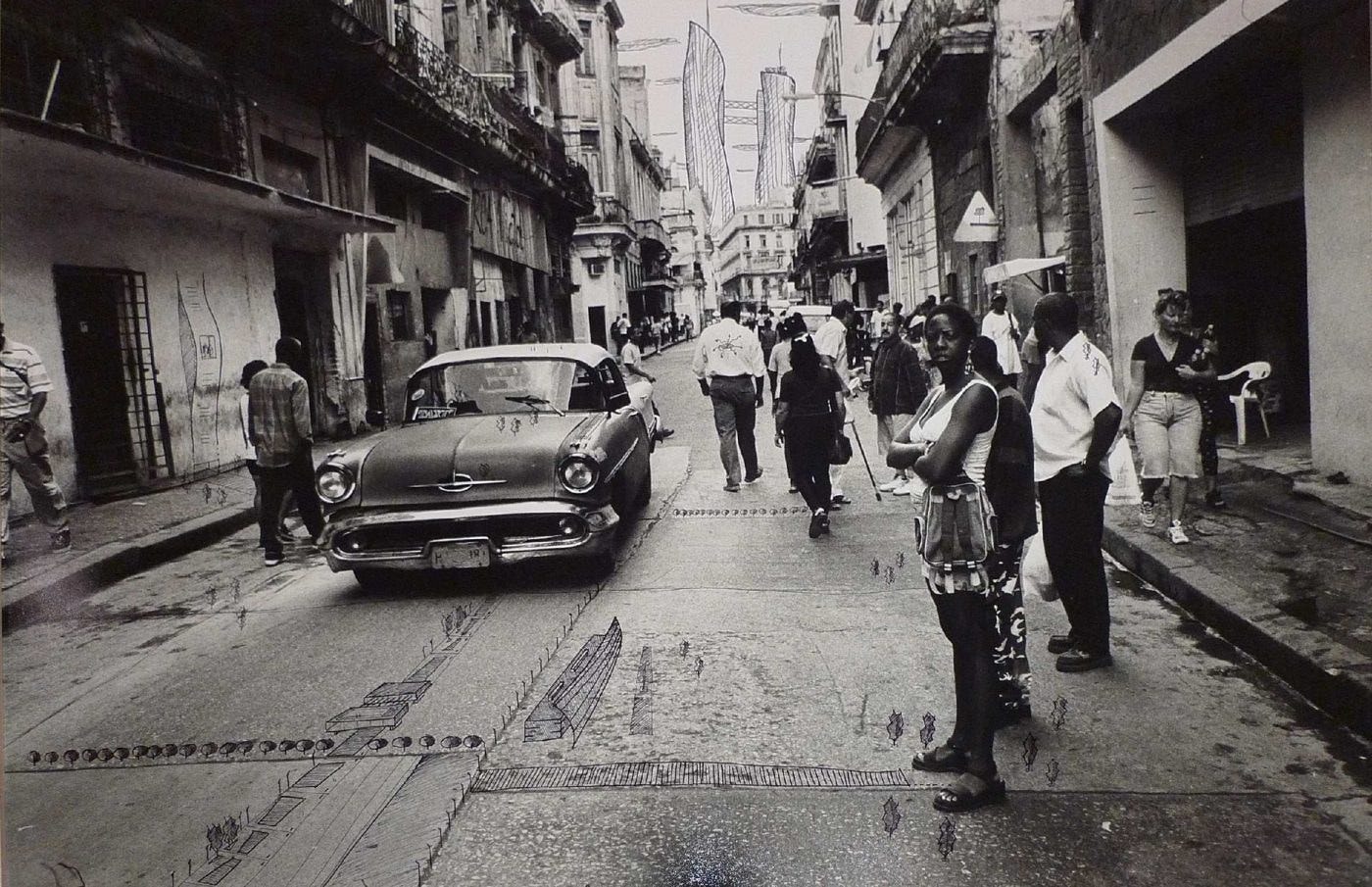
I confirmed it in a student competition at the UBA (the University of Buenos Aires), when I was in my third year. We had to design a train station in a square in La Boca. I remember making sketch after sketch, and nothing convinced me. I looked at the other competitors’ sketches... lots of drawings, and the technology was almost one hundred percent analog (AutoCAD was only just coming into use, that is how old I am getting): I had to trace the plans of the urban fabric by hand to see where the track of that little La Boca train continued. The solution appeared while I was looking at one of the photos I had taken on the first visit: a dirt square with a crooked soccer goal, not even a simple sketch, a photo. In short, I proposed breaking the competition brief, taking the station out of the square and leaving it empty. Not doing architecture... leaving it as it was, just a paved surface. The most elaborate drawing in the room did not win; a photo and a scene won: an idea. It was my first prize for something I designed... and an idea won, the absence of drawings.
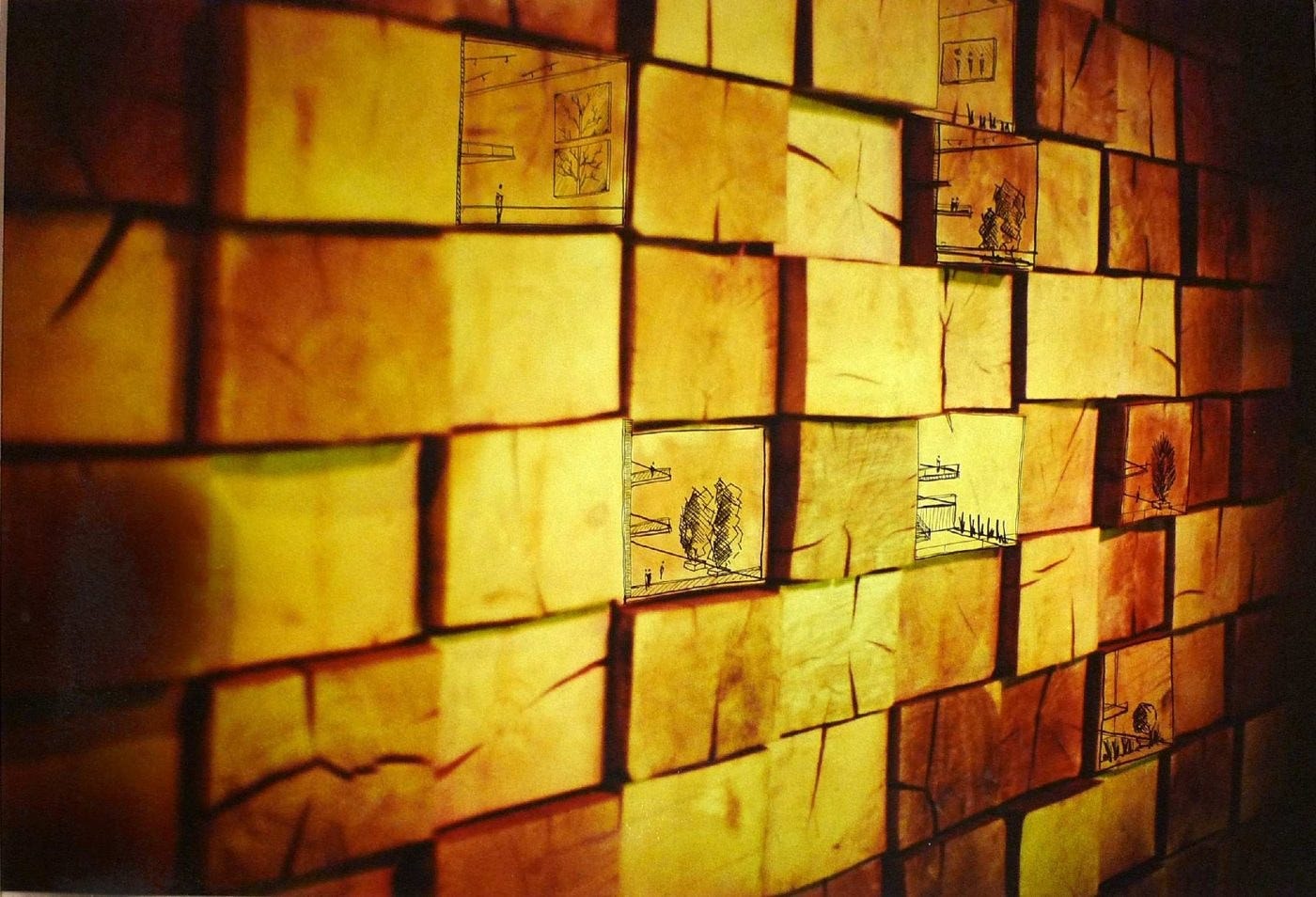
And the paper: when I studied architecture, good paper was hard to find, and you looked after it, much like rolls of film. You sketched in pencil, carefully, and then went over it in ink. If you made a mistake in ink, you could “gillettear” it (scrape it off with a razor blade) or start again. Today a 3D model, a BIM or an AI-generated design gives us dozens of options in minutes. It is an extraordinary tool. But none of those options has to go through the discomfort of ink, and that is often where we lose the reflection on every little part of the drawing, on every edge of the plan.
Before the oil
In painting, you never started with the oil. You thought of an idea, sketched it, studied the parts of the body, the scenes, the light. You made sketches, then the full-scale 1:1 pencil drawing, then color tests (good paints were very expensive, and that still has not changed), and only after that did you make the work. I am living it again: there is too much painting and often too little thinking... I see it in shows, at fairs, and it happens to me too... A great friend, Juan Srodek, an erudite philosopher (a scholarship holder with a PhD from Princeton... and, to crown it all, he later went into finance) used to tell me again and again, in conversations who knows where: “People write a lot and read little...”.
The same happened in music. Hours and hours going over scales, many flight hours, rehearsals, a lot of study before recording. Recording an album was very expensive, and you had to arrive incredibly well rehearsed, or with a great deal of practice and clarity about what you were after. Today everything gets recorded, very easily... again, it gave everyone access to production... which is incredible, but we also suffer from the overproduction of music, without even getting into AI music... another Pathos...
Noise
What happened in this process of going massive? From analog photography to digital, and from digital to the camera in everyone’s phone. From painting to digital art. From handwriting to artificial intelligence. From freehand drawings, and from those of us architects who still draw by hand, to BIM, to 3D models and to AI-made designs. What happened is that there is a lot of noise.
It is neither good nor bad; it is a reality. There is a lot of distraction, and a lot of repetition: by software, by AI, or by workflows that copy themselves. In the first piece of this series I wrote about catalogue architecture that repeats itself; I see the same today in almost every discipline. I think it is hard to find substance. AI is a tool, like a hammer: we can use it to build a house, or to smash our own heads in.
Does the same happen at art fairs, in galleries, on the internet? Or am I getting old? Probably both.
It happens to me with philosophy. In my by now too many attempts to study it, I enjoy it and can follow it up to... Nietzsche, maybe? Then some fiction writers with great reach, the odd contemporary I enjoy but find hard to classify amid so many crossed influences. It branched out so much, and so much material appeared, that I got lost. The same with music: I no longer know where to find good music, unless it is live, and whenever I admire something it is some unknown artist I found by chance. But they are out there.
In the years I lived in Los Angeles, every Wednesday and Thursday I went to see indie bands in Silver Lake and Echo Park: the Silverlake Lounge, the Echoplex, the Satellite (which had once been Spaceland and has not hosted shows since 2020), or some open mic I came across. I went looking for raw poetry, even though they were often unpolished projects, like analog photos on film, like freehand sketches. I went looking for what had not yet passed through any filter but came after a lot of practice.
Materiality: matter and reality?
In architecture you can see this right on the skin, or better, right on the material: you see it and you touch it. I will not go into a summary of the history of architecture, but just looking at the broad strokes, the “styles” we studied in history books are, at bottom, the building realities of each era. Stone and the vault. The Enlightenment, with its faith in reason and in the rule. Then the Industrial Revolution, with iron, glass and concrete. The wars and the reconstructions, which pushed standardization. And from there, to buildings made with absolutely every material prefabricated, chosen from a catalogue, where the building is more an assembly than a construction.
And yet we are once again valuing materials in situ. In the previous piece I wrote about Peter Zumthor’s museum in the park of the Fondation Beyeler, in rammed concrete with aggregate from Jura limestone: the stone of the place inside the wall. And about the other side, stone brought from Germany for a museum of Latin American art in Buenos Aires, the Malba. In rural housing, a subject I have been thinking about for years, the underlying idea is the same: look at what the place already knows how to do. Will analog photography come back, perhaps? Or a digital photography, but of analog scenes, that could be a valid replacement for that depth in the search, for honest portraits?
A bell and a pendulum
I think this will be like a Gaussian bell curve. The massive grows, reaches its peak and then, little by little, gives way to something else. Or, better, like a pendulum: we are returning to a time that values the analog more. Analog intelligence, I would say, though it does not even need to be called intelligence. I prefer to call it analog process. Although, I repeat, as at the beginning, it feels very strange to be writing about something I have thought, talked about and taken notes on so many times... finally, in this kind of golden age, or “gold rush”... but today an artificial intelligence rush.
There are signs. In 2025, in the United States, vinyl record sales passed one billion dollars for the first time since 1983, and they have now grown for nineteen years in a row, according to the RIAA. There are kids who were born with a phone in their hand buying film cameras. It is not nostalgia from those of us who lived through film: it is another generation looking for something the noise does not give them.
It is curious to see that in this “artificial revolution” it has become more important who prompts than whichever tool of the moment assembles whatever we ask of it. And whoever prompts well is almost always someone who knows how to look, who has drawn a lot, listened to a lot of music, read a lot... The tool amplifies; it does not replace judgment. It either amplifies garbage or amplifies genius... And I sincerely believe it: however many new tools appear that separate us from training the hand and pull us away from it, our collective unconscious will fight them. Or, rather, it will tame them as tools and put their incredible virtues at the service of deep, analog thinking, and of freehand philosophical and existential reflection... Will it? Or is it just a wish... but then, I have grounds for what I wish, and I choose to see it and share it, convinced of what is going to happen.
My reflection
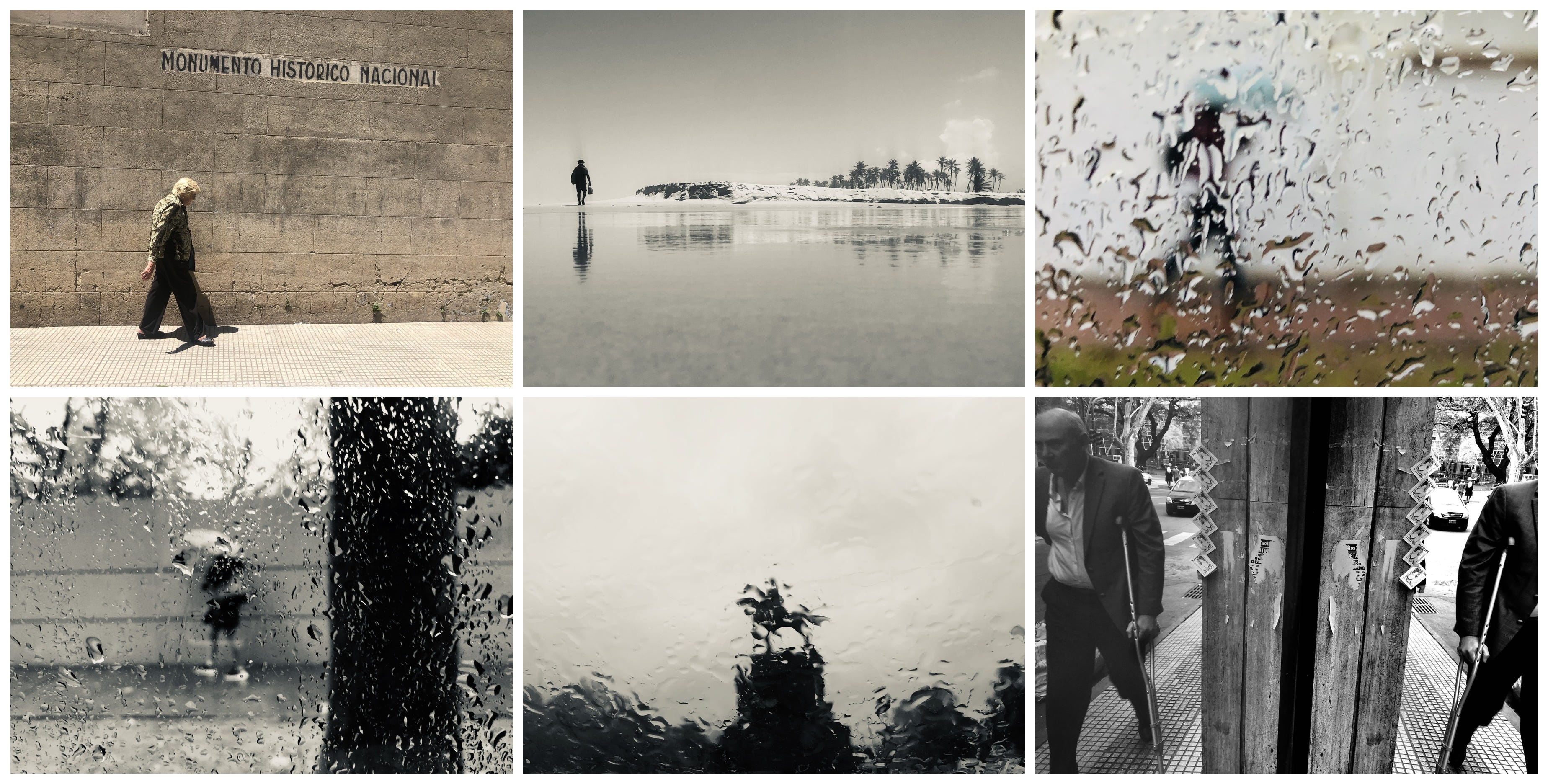
We should not stop studying an instrument, even if later we just press buttons. We should not stop shooting on film, or thinking and rethinking a shot before firing them off in torrents, or drawing, even if only to train the muscles and the mind to do it, even if a program does the rest afterwards. And yes, not stop writing, though surely it is better if it rests on a lot of reading... Not because analog is better, but because that is where we train the judgment that later decides what to do with everything else.
How many of the thousands of photos we have on our phones do we remember? From a roll of 36, you remembered almost all of them, because each one had cost a decision.
Thirty-six exposures. And they were enough.
Postscript:
I left the article unfinished for a few days because yesterday I went to see Pinta BAphoto and wanted to close with a comment about it. It is the most important photography fair in Buenos Aires (October 22 to 25, at La Rural). I took part in 2008 and 2010, when it was still called Buenos Aires Photo, with analog photos through the Galería Aldo de Sousa. I like Pinta. The space where it is held, an old structure at La Rural, is very interesting and speaks to how well it has been run lately: old and new are in dialogue, both in the curation and in the space where the fair is presented. I enjoy it most when they rescue treasures by analog photographers who were harder to access in other times, or photographers whose images lived only in print publications. That is how a base of local, classic and deep photographic culture keeps being built, or rather documented and given a voice, distinct from the noise of the new photographers, although some stand out, for example Marcos López, by now almost a classic, with every stage of his work. Sadly he died just yesterday, but he was the first to sell work. It is a fair I enjoy, although the galleries themselves often fall into the noise of photographic production, or the overproduction of images we have been talking about. I want to go back and walk through it again more slowly.
Note: Marcos López’s death was a performance at Pinta BAphoto; the artist is alive and, in his own words, “photos by dead artists cost more”.
Sources
Fondation Henri Cartier-Bresson, Images à la sauvette / The Decisive Moment (1952): https://www.henricartierbresson.org/en/publications/henri-cartier-bresson-the-decisive-moment/
Wladimiro Acosta and the Helios system, Revista PLOT: https://revistaplot.com/wladimiro-acosta/
RIAA, Year-End Revenue Report 2025: https://www.riaa.com/wp-content/uploads/2026/03/RIAA-Year-End-Revenue-2025.pdf
The Satellite (formerly Spaceland), Los Angeles Times, 2020: https://www.latimes.com/entertainment-arts/music/story/2020-07-18/the-satellite-club-closing-restaurant-silver-lake
Pinta BAphoto 2026: https://es.pinta.art/BAphoto/Home
lisandroaloi.com